

The Chernobyl Exclusion Zone: A Haven for Unlikely Organisms
Despite being off-limits to humans, the Chernobyl exclusion zone has become an unlikely haven for various forms of life. Nearly 40 years ago, the Unit Four reactor at the Chernobyl Nuclear Power Plant exploded, leaving behind a radioactive landscape that has proven to be a unique testing ground for the resilience of nature.
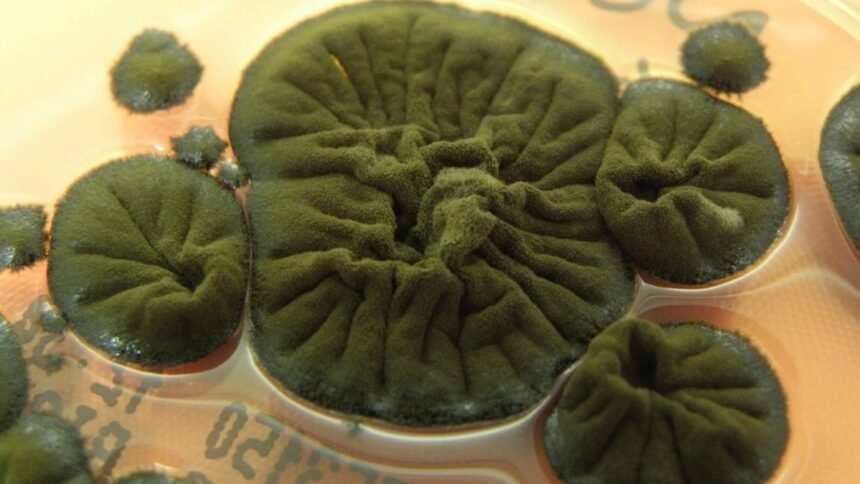
One of the most fascinating discoveries in this area is a particular fungus that seems to have evolved an extraordinary ability. This fungus, which has been found to thrive in the radioactive environment, has sparked the interest of scientists worldwide. Research has shown that this remarkable organism is capable of absorbing and breaking down radioactive materials, effectively cleaning the environment of toxic substances.
Understanding the Science Behind the Fungus
The fungus’s ability to survive and even flourish in such a hostile environment is a testament to the incredible adaptability of life on Earth. Scientists believe that this fungus has developed a unique enzyme system that allows it to convert radioactive materials into harmless compounds. This discovery has significant implications for our understanding of the natural world and the potential for bioremediation, the use of living organisms to clean up polluted environments.
- The fungus’s ability to absorb and break down radioactive materials could have significant implications for the cleanup of contaminated sites.
- Further research into the fungus’s enzyme system could lead to the development of new technologies for bioremediation.
- The discovery of this fungus highlights the importance of preserving and protecting unique ecosystems, even in the most unexpected places.
As scientists continue to study this incredible fungus, they are uncovering new insights into the natural world and the potential for life to thrive in even the most hostile environments. The Chernobyl exclusion zone, once a symbol of devastation and destruction, has become a vibrant ecosystem that is teaching us valuable lessons about the resilience of life and the importance of preserving our planet.