

Prediction Markets: A New Era of Economic Forecasting
Prediction markets have the potential to revolutionize the way we approach investment strategies and economic forecasting. By providing a direct and unbiased way to express economic opinions, these markets offer a unique perspective on key economic questions. Thomas Peterffy, a renowned expert in the field, highlights the benefits and challenges of prediction markets, shedding light on their potential to transform the way we make economic decisions.
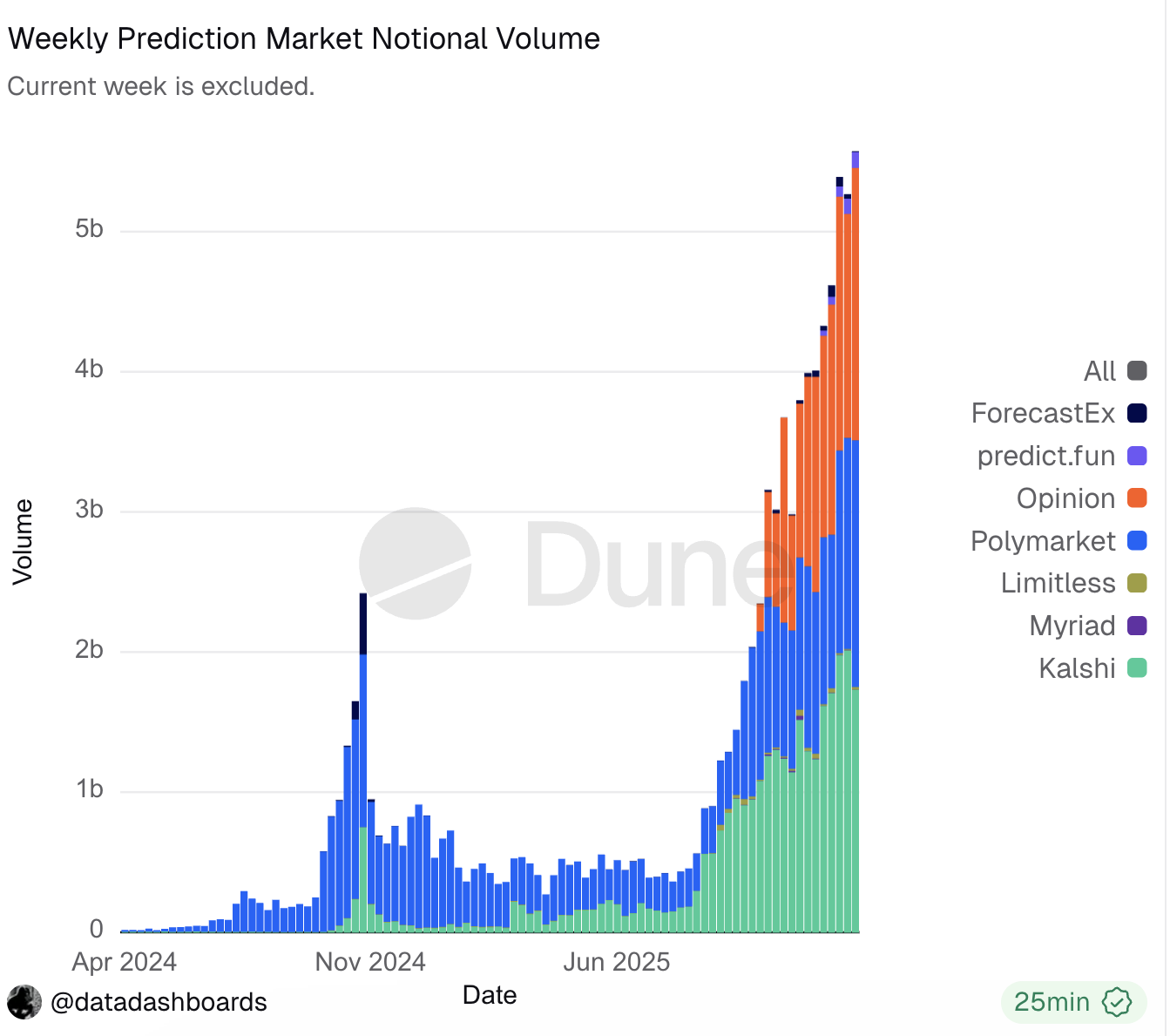
How Prediction Markets Work
Prediction markets allow participants to buy and sell shares of potential outcomes, creating a market-driven probability of an event occurring. This approach enables the aggregation of collective wisdom, providing a more accurate forecast of future events. The key benefits of prediction markets include:
- Direct expression of economic opinions: Participants can buy and sell shares of potential outcomes, providing a clear and unbiased signal of market sentiment.
- Expert consensus: By aggregating the opinions of multiple participants, prediction markets provide a more accurate forecast of future events.
- Liquidity challenges: Institutional adoption of prediction markets is hindered by liquidity challenges, making it essential to address these issues to unlock the full potential of these markets.
Overcoming Liquidity Challenges
To overcome the liquidity challenges faced by prediction markets, it is essential to increase participation and create a more robust market infrastructure. This can be achieved by:
- Improving market transparency and accountability
- Developing more sophisticated trading platforms
- Encouraging institutional participation and investment
By addressing these challenges, prediction markets can become a valuable tool for investors, policymakers, and economists, providing unparalleled insights into economic trends and future events.