
Introduction to Cultural Participation and Life Satisfaction
Cultural participation has emerged as a pivotal factor in policy-making, particularly in its potential to drive social inclusion and enhance the overall well-being of individuals. This aspect of community engagement has garnered significant attention in recent years, with a focus on its economic and social impacts. The relationship between cultural activities and life satisfaction is complex and multifaceted, influenced by a variety of factors including, but not limited to, socioeconomic status, education level, and family background.
The Role of Family Background in Shaping Cultural Participation
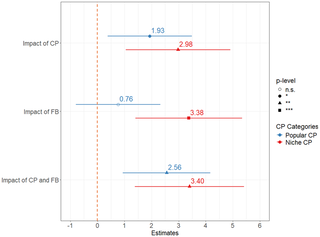
Family background plays a crucial role in shaping an individual’s propensity to engage in cultural activities. Factors such as parental education, household income, and the cultural values upheld within the family can significantly influence one’s access to and participation in cultural events and practices. For instance, individuals from families with higher socioeconomic statuses may have greater access to cultural resources, such as museums, concerts, and art galleries, thereby potentially increasing their levels of cultural participation.
Investigating the Link Between Cultural Participation and Life Satisfaction
Research into the connection between cultural participation and life satisfaction has yielded intriguing insights. Studies have shown that engaging in cultural activities can have a profound positive impact on an individual’s subjective well-being. This can be attributed to several factors, including the social connections forged through shared cultural experiences, the personal growth and fulfillment derived from creative engagement, and the sense of community and belonging that cultural participation can foster.
- Cultural participation can enhance social connections and reduce feelings of loneliness.
- Engagement in cultural activities can promote personal growth and a sense of accomplishment.
- Cultural experiences can provide individuals with a broader perspective on life, fostering empathy and understanding.
In conclusion, the relationship between cultural participation and life satisfaction is deeply intertwined and influenced by a myriad of factors, including family background. As policymakers and community leaders, it is essential to recognize the importance of promoting cultural participation across all socioeconomic strata, thereby ensuring that the benefits of cultural engagement are accessible to everyone, regardless of their background.