

Introduction to Healthy Aging
As the global population ages, the concept of growing older has become a significant area of interest. Recently, a study shed light on the potential for individuals 65 and older to improve their overall health and well-being. This revelation comes as a welcome surprise, challenging traditional perceptions of aging. One notable example of remarkable aging is Diana Nyad, who at the age of 64, achieved an extraordinary feat by swimming 110 miles from Cuba to Florida without the aid of a shark cage. This remarkable achievement not only showcases Nyad’s physical prowess but also highlights her unwavering determination and unrelenting spirit.
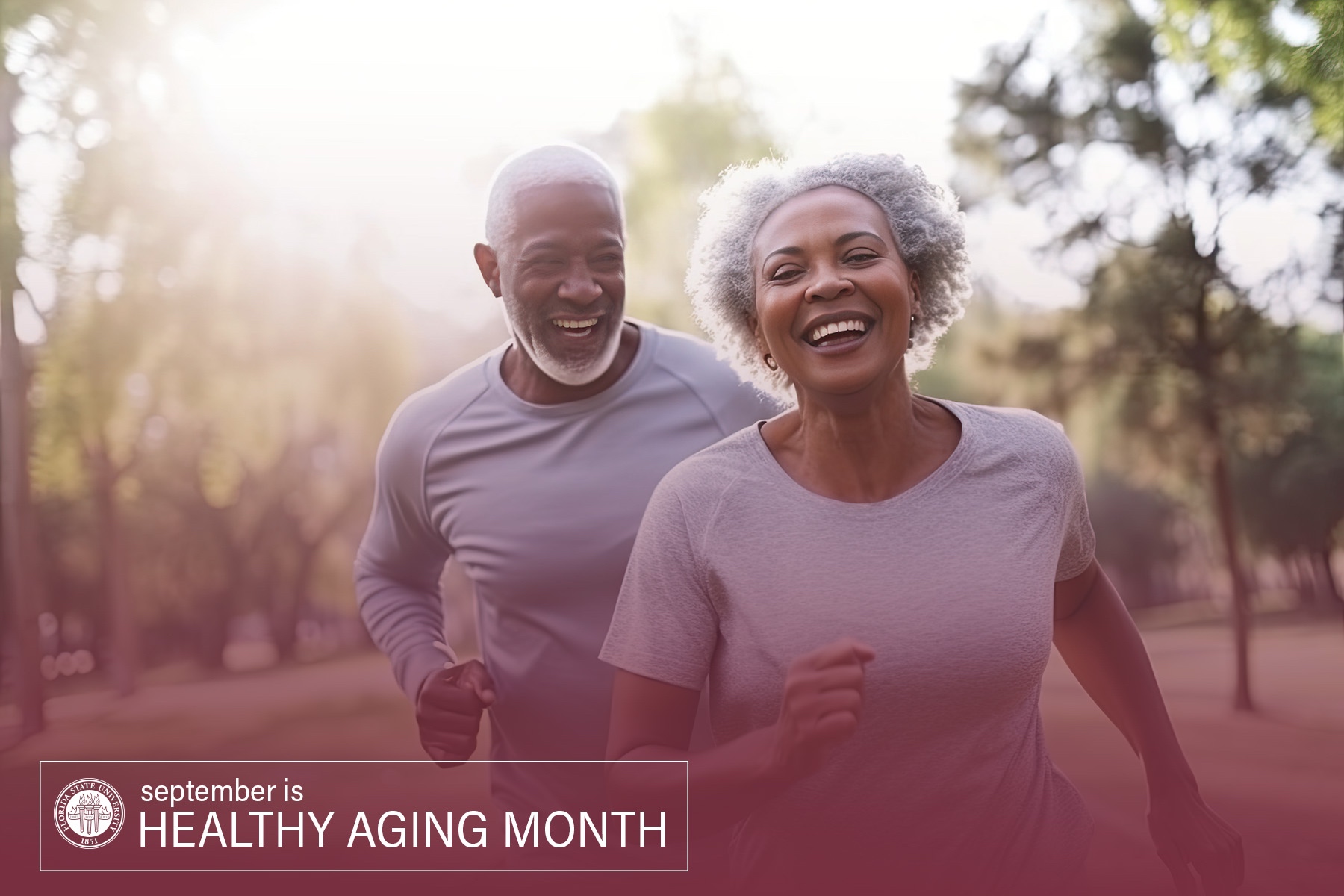
Key Factors in Healthy Aging
Researchers have identified several key factors that contribute to healthy aging, including regular physical activity, a balanced diet, social engagement, and cognitive stimulation. These elements, when incorporated into daily life, can significantly enhance the quality of life for seniors. Furthermore, staying mentally active through activities such as reading, puzzles, and learning new skills can help build cognitive reserve, reducing the risk of age-related cognitive decline.
- Regular Exercise: Engaging in physical activities like walking, swimming, or yoga can help maintain physical function and mobility.
- Social Connection: Building and maintaining social relationships can help combat loneliness and isolation.
- Cognitive Stimulation: Participating in mentally stimulating activities can help build cognitive reserve and reduce the risk of dementia.
Conclusion
In conclusion, aging is not just about the passage of time; it’s about how we choose to live our lives. By incorporating healthy habits, staying mentally and physically active, and maintaining social connections, seniors can unlock the potential for a healthier, happier, and more fulfilling life. As we continue to navigate the complexities of aging, it’s essential to recognize that every individual has the capacity to thrive, regardless of age.