

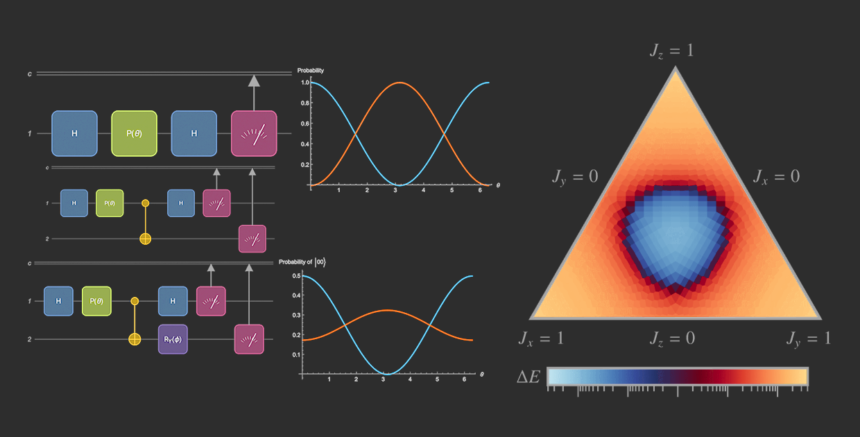
Introduction to Quantum Computing
Quantum computing, a field that has long been confined to the realm of theoretical physics, is now maturing into a practical tool for solving complex problems in optimization, simulation, and machine learning. As researchers in academia and industry gain access to quantum computing resources, they are discovering new computational strategies that can tackle previously intractable challenges.
Applications in Research
One of the most significant applications of quantum computing is in the field of simulation. By harnessing the power of quantum mechanics, researchers can simulate complex systems that are difficult or impossible to model using classical computers. This has significant implications for fields such as chemistry, materials science, and pharmacology, where simulations can be used to design new materials, optimize chemical reactions, and develop new drugs.
Business Applications
In addition to its applications in research, quantum computing also has the potential to revolutionize business. Companies such as Google, Microsoft, and IBM are already investing heavily in quantum computing research and development, with a focus on applications such as optimization, logistics, and machine learning. For example, quantum computers can be used to optimize complex supply chains, reducing costs and improving efficiency. They can also be used to analyze large datasets, identifying patterns and trends that can inform business decisions.
Key Benefits
- Improved computational power
- Enhanced simulation capabilities
- Optimized logistics and supply chain management
- Advanced machine learning and data analysis
As quantum computing continues to mature, we can expect to see significant advancements in a wide range of fields, from research and development to business and industry. With its potential to solve complex problems and optimize complex systems, quantum computing is poised to revolutionize the way we live and work.