

Introduction to Coronary Microvascular Dysfunction
Coronary microvascular dysfunction is a condition characterized by the abnormal functioning of the small blood vessels in the heart, leading to reduced blood flow and potential cardiac complications. Recent studies have delved into the hemorheological aspects of this condition, shedding light on the role of erythrocyte parameters in coronary microcirculatory resistance.
Hemorheology and Its Significance
Hemorheology, the study of blood flow and its interaction with blood vessels, has become a crucial area of research in understanding cardiovascular diseases. The properties of erythrocytes (red blood cells), such as their deformability, aggregation, and viscosity, significantly influence blood flow and, by extension, coronary microcirculatory function.
Association of Erythrocyte Parameters with Coronary Microcirculatory Resistance
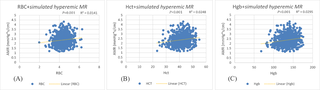
Research has indicated a strong association between erythrocyte parameters and coronary microcirculatory resistance. Parameters such as erythrocyte deformability and aggregation can affect how easily blood flows through the microvasculature. Studies utilizing angiography-derived measurements have provided insights into how these erythrocyte characteristics impact coronary microvascular function.
- Erythrocyte deformability: The ability of red blood cells to change shape in response to flow conditions is critical for navigating through small blood vessels. Reduced deformability can lead to increased resistance in the microcirculation.
- Erythrocyte aggregation: The tendency of red blood cells to cluster together can also influence blood flow, particularly in low flow conditions. Increased aggregation can contribute to higher microvascular resistance.
Implications and Future Directions
The findings from hemorheological studies on coronary microvascular dysfunction underscore the importance of considering erythrocyte parameters in the diagnosis and management of cardiovascular diseases. Further research is needed to fully elucidate the mechanisms by which erythrocyte properties affect coronary microcirculatory function and to explore potential therapeutic strategies targeting these parameters.