Introduction to the War Powers Resolution
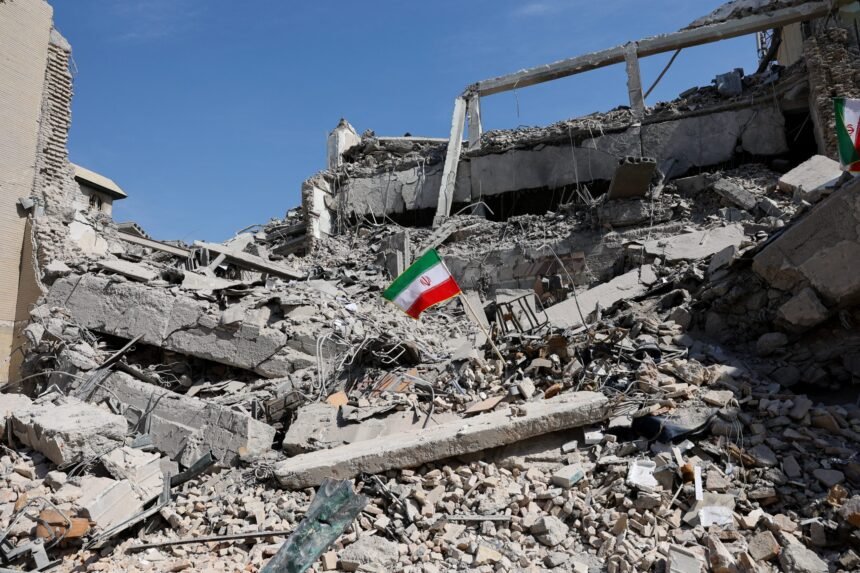
The War Powers Resolution, a law enacted in 1973, has been a subject of intense debate and discussion, especially in the context of the United States’ involvement in international conflicts. A recent article in The Hill sparked a conversation about the legality of President Trump’s actions in Iran, stating that his ‘war on Iran is totally legal for 60 days if Congress does nothing, after which it becomes illegal.’ But is this really the case? Let’s delve deeper into the War Powers Resolution and what it entails.
Understanding the War Powers Resolution
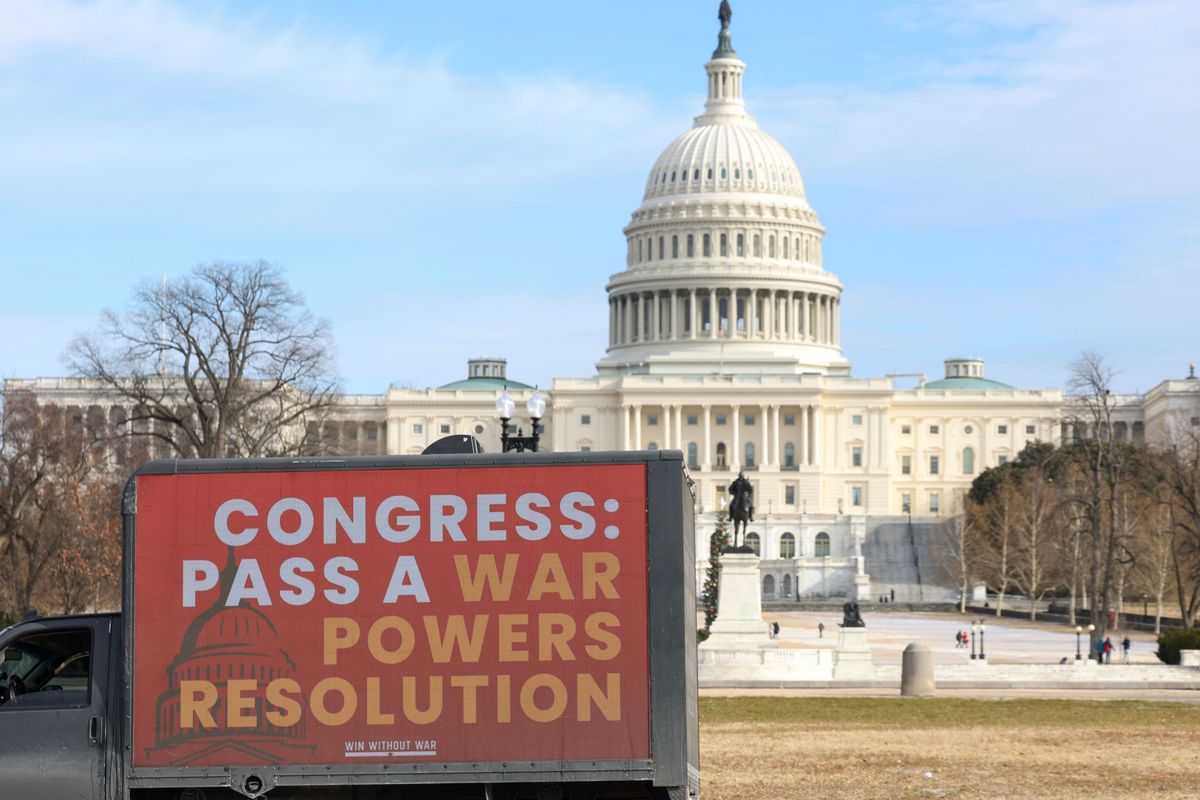
The War Powers Resolution was passed to ensure that the President and Congress share the decision-making power when it comes to military actions. It requires the President to notify Congress within 48 hours of deploying troops into combat. The law also stipulates that if Congress does not declare war or authorize the military action within 60 days, the troops must be withdrawn. However, the interpretation and implementation of this resolution have been subject to controversy and varying opinions.
Legal Implications and Controversies
While the initial interpretation might suggest that military actions are ‘legal’ for 60 days without Congressional approval, the reality is more complex. The Constitution grants Congress the power to declare war, but it also vests the President with significant authority as the Commander-in-Chief. This dual authority has led to tensions and disagreements between the executive and legislative branches, especially in situations where immediate military action is deemed necessary.
Some key points to consider include:
- The role of Congress in authorizing military actions beyond the initial 60-day window.
- The President’s authority to act without Congressional approval in cases of national emergency or imminent threat.
- The legal and political implications of not withdrawing troops after the 60-day period if Congress does not act.
Conclusion
The War Powers Resolution is a critical piece of legislation designed to balance the power between the President and Congress in matters of war. Understanding its provisions and implications is crucial for navigating the complexities of U.S. foreign policy and military engagements. As the global landscape continues to evolve, the importance of clarity and cooperation between the executive and legislative branches cannot be overstated.