
A New Chapter in Japanese History
A comprehensive analysis of over 3,000 DNA samples from across Japan has shed new light on the country’s origins, challenging existing theories and offering a fresh perspective on the nation’s rich cultural heritage. This pioneering study has produced some of the most detailed genetic insights into the Japanese population to date, providing a fascinating glimpse into the lives of the island’s ancient inhabitants.
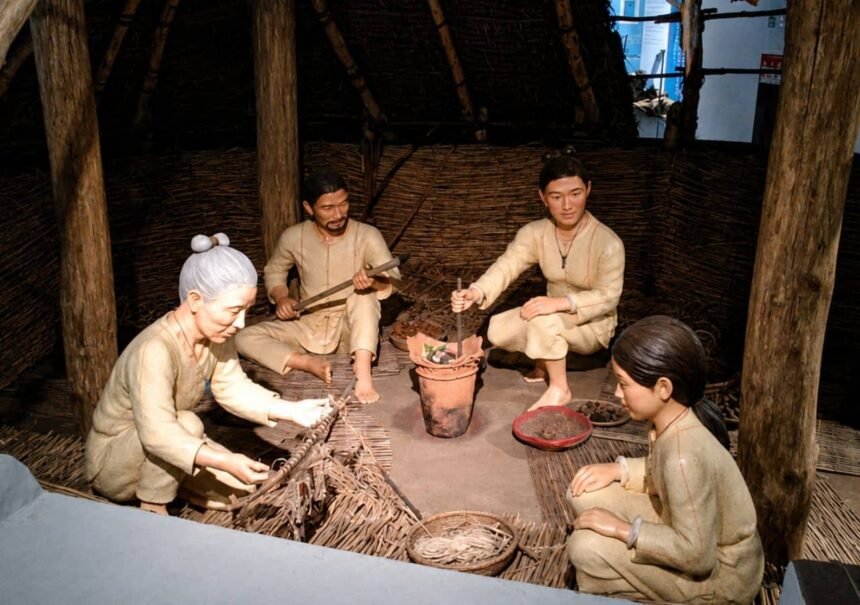
The research focused on the Jomon people, Japan’s indigenous population, who are known for their sophisticated hunter-gatherer lifestyle and intricate pottery. By examining the DNA of modern-day Japanese individuals, scientists were able to identify distinct genetic patterns that reveal the complex history of the Japanese archipelago.
Key Findings and Implications
- The study reveals a significant genetic divergence between the Jomon people and other ancient populations in Asia, suggesting a unique evolutionary path for the Japanese.
- The research also highlights the importance of the Jomon period in shaping the country’s genetic landscape, with many modern Japanese individuals retaining a substantial amount of Jomon DNA.
- The findings have significant implications for our understanding of Japanese history and culture, challenging traditional narratives and offering a more nuanced perspective on the country’s development.
This groundbreaking research has far-reaching implications for fields such as anthropology, archaeology, and genetics, and is set to reshape our understanding of Japan’s ancient roots and its place in the wider Asian context.