
The Largest 3D Map of the Universe: A New Frontier in Cosmic Exploration
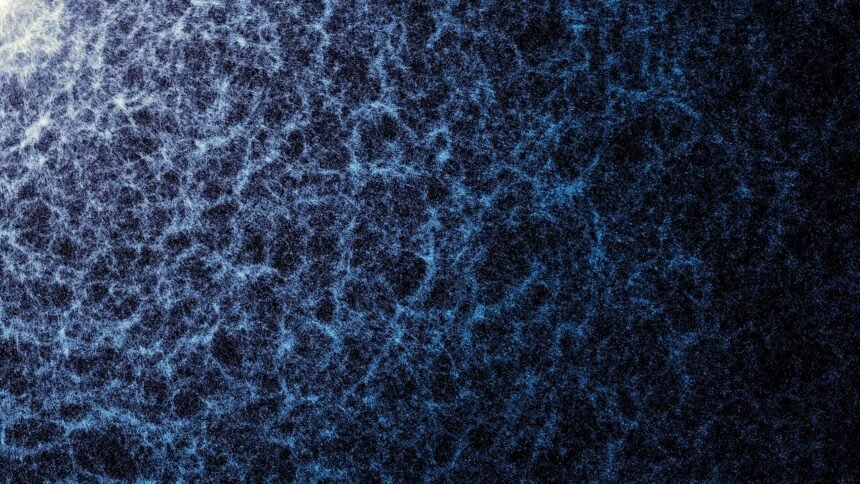
Imagine being able to visualize the vast expanse of the universe in breathtaking detail, with millions of galaxies stretching across the cosmos like diamonds on black velvet. This is now a reality, thanks to the creation of the largest-ever 3D map of the universe, crafted from data collected by the Dark Energy Spectroscopic Instrument (DESI). This monumental achievement showcases 47 million galaxies, including our own Milky Way, in stunning clarity.
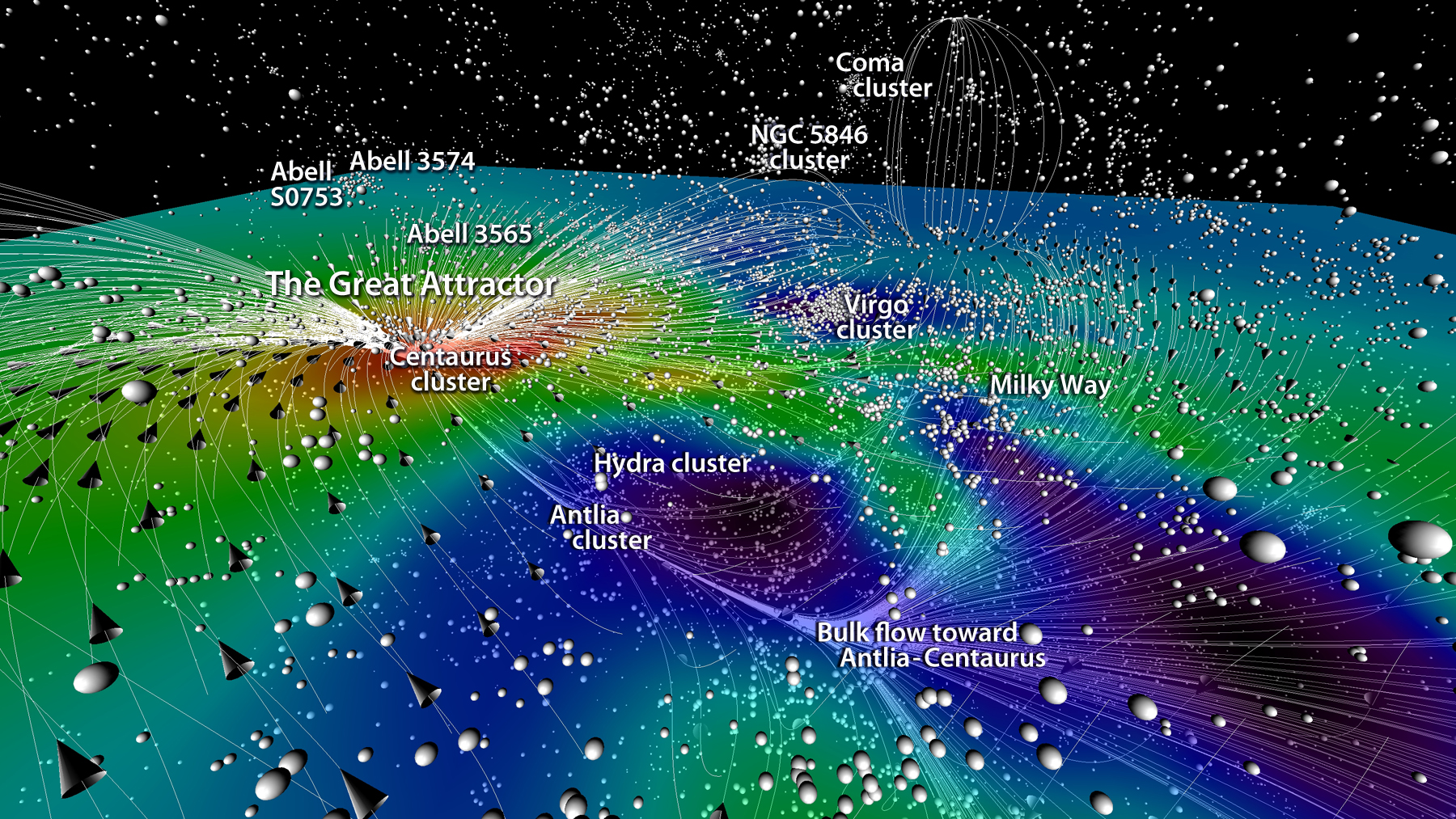
The map spans the universe from the present day all the way back to ‘cosmic noon’, a period approximately 10 billion years ago when the universe was at its most prolific in terms of star formation. This era, occurring about 3.5 billion years after the Big Bang, saw the birth of countless stars and galaxies, setting the stage for the complex cosmic landscape we observe today.
Delving into the Details of the Map
The data for this extraordinary map was gathered over the course of several years by the DESI, an instrument mounted on the Nicholas U. Mayall 4-meter Telescope at Kitt Peak National Observatory in Arizona. The process involved spectrographically analyzing the light from millions of galaxies, allowing scientists to determine their distances and map their positions in 3D space.
The importance of this map extends beyond its sheer scale and visual appeal. It provides invaluable insights into the structure and evolution of the universe, including the distribution of galaxies and the role of dark energy in the expansion of the cosmos. By understanding these phenomena, researchers can refine their theories about the origins and ultimate fate of the universe.
Implications and Future Directions
- Growth of Understanding: The new map significantly contributes to our comprehension of how galaxies form and interact, particularly during the critical ‘cosmic noon’ period.
- Cosmological Models: It offers a unique opportunity to test cosmological models, helping scientists discern the precise role of dark matter and dark energy in the universe’s evolution.
- Technological Advancements: The creation of such a detailed map showcases the impressive capabilities of current astronomical instruments and data analysis techniques, paving the way for future technological advancements.