
Revolutionary Technology Unlocks Secrets of the Ancient World
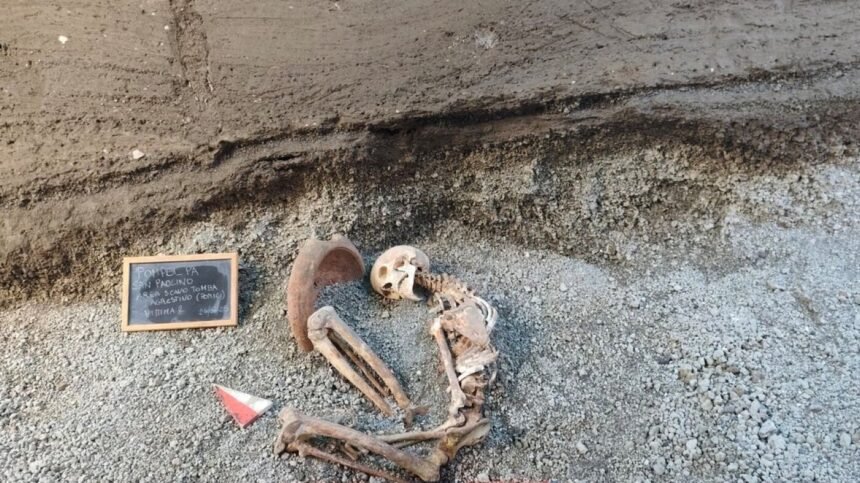
Archaeologists at the ancient Roman site of Pompeii have made a groundbreaking discovery, utilizing artificial intelligence to reconstruct the face of a man who perished in the devastating AD 79 eruption of Mount Vesuvius.

This innovative application of AI technology marks the first time it has been used in such a capacity at Pompeii, offering a fascinating glimpse into the lives of those who lived in the shadow of the infamous volcano.
The Power of AI in Archaeology
The use of AI in archaeology is a rapidly evolving field, with researchers exploiting its potential to uncover hidden secrets and shed new light on historical mysteries.
- Enhanced data analysis: AI algorithms can process vast amounts of data, identifying patterns and connections that may elude human researchers.
- Digital reconstructions: As seen in the Pompeii project, AI can be used to recreate the appearance of ancient individuals, providing a tangible link to the past.
- Predictive modeling: By analyzing historical data, AI can help predict the likelihood of future discoveries, guiding researchers in their quest for knowledge.
The successful reconstruction of the Pompeii victim’s face serves as a testament to the potential of AI in archaeology, and it is likely that we will see further applications of this technology in the years to come.