
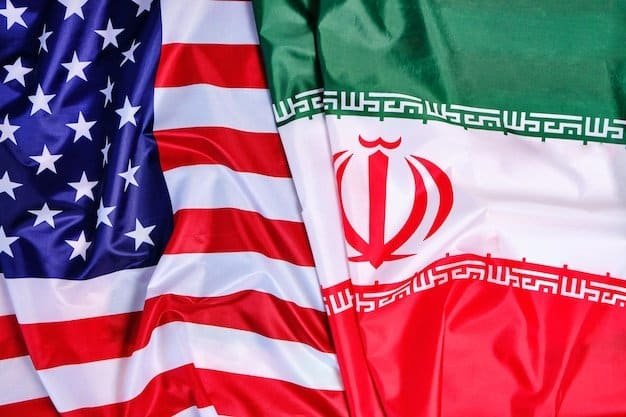
Heightened Tensions Between the US and Iran
Recent developments have signaled a potential escalation in tensions between the United States and Iran, casting a shadow over the prospects of a peace deal. A column shared by President Trump has sparked concerns, hinting at a more aggressive approach towards Iran. This shift in stance has significant implications, particularly in the context of a permanent peace agreement between the two nations.
The odds of reaching a US-Iran peace deal by April 30 have plummeted to 9.5%, marking a substantial drop from the 18% predicted just 24 hours prior. This downturn in expectations reflects the growing uncertainty surrounding the diplomatic efforts between the two countries. As the situation continues to unfold, stakeholders are closely monitoring the developments, aware that the path to peace is fraught with challenges.
Key Factors Influencing the Peace Deal
- The role of political will and diplomatic engagement in facilitating a peace agreement.
- The impact of economic sanctions and their potential to sway Iran’s stance on negotiations.
- The influence of regional and international actors on the US-Iran peace process.
While the May 31 peace deal market has also been affected, the focus remains on the critical period leading up to April 30. As the deadline approaches, all eyes are on the actions and statements of key players, which will undoubtedly shape the trajectory of US-Iran relations. The international community holds its breath, awaiting the outcome of these delicate negotiations, which could have far-reaching consequences for global peace and stability.