The Alarming Rise of Wildlife-Linked Diseases
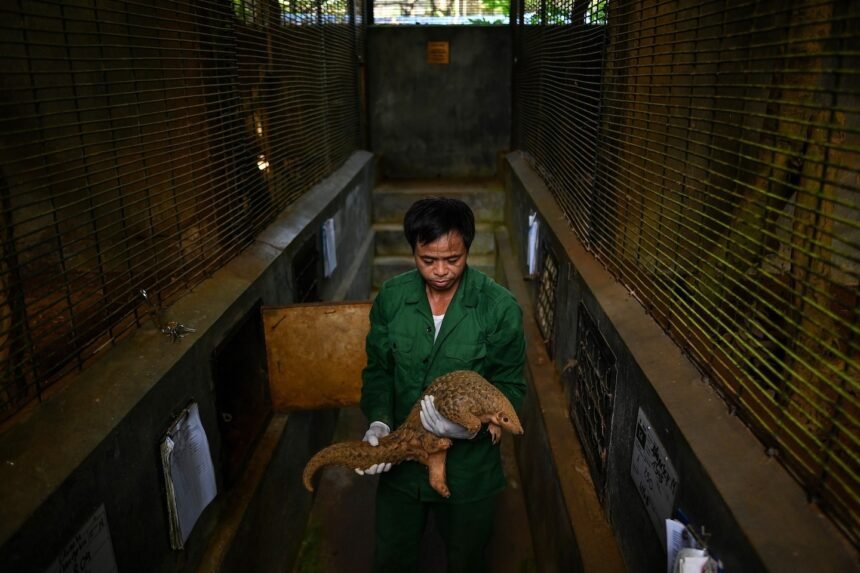
The global wildlife trade, a vast and intricate industry, has been identified as a significant contributor to the increasing transmission of pathogens between animals and humans. This trade, which encompasses a wide range of activities including the exotic pet trade, trophy hunting, and the use of animal-derived materials in fashion, has created a perfect storm for the spread of diseases.
The relationship between the wildlife trade and disease outbreaks is complex and multifaceted. As humans encroach upon natural habitats and engage in activities that bring them into close proximity with wild animals, the risk of disease transmission increases. The capture, transport, and sale of wild animals can lead to stress, injury, and the mixing of species, creating an environment in which diseases can thrive.
Key Factors Contributing to the Problem
- The exotic pet trade, which involves the capture and sale of wild animals as pets, can lead to the introduction of non-native species into new environments, potentially displacing native species and disrupting ecosystems.
- Trophy hunting, while often touted as a means of conservation, can actually contribute to the decline of species and the disruption of ecosystems, creating an environment in which diseases can spread more easily.
- The use of animal-derived materials in fashion, such as fur and leather, can also contribute to the demand for wild animals and the subsequent risk of disease transmission.
Examples of diseases that have been linked to the wildlife trade include SARS, Ebola, and COVID-19. These diseases have had devastating impacts on human health and the global economy, highlighting the need for urgent action to address the root causes of the problem.