

The Shift in Workplace Benefits
In a worrying trend for employees, high-profile companies are starting to reevaluate and reduce their once-lavish workplace benefits. The latest casualty in this cost-cutting spree may be paid time off (PTO) and parental leave, benefits that were once considered indispensable and highly prized. This development signals a significant shift in the balance of power between employers and employees, with the former increasingly wielding the axe on benefits to maintain profitability.
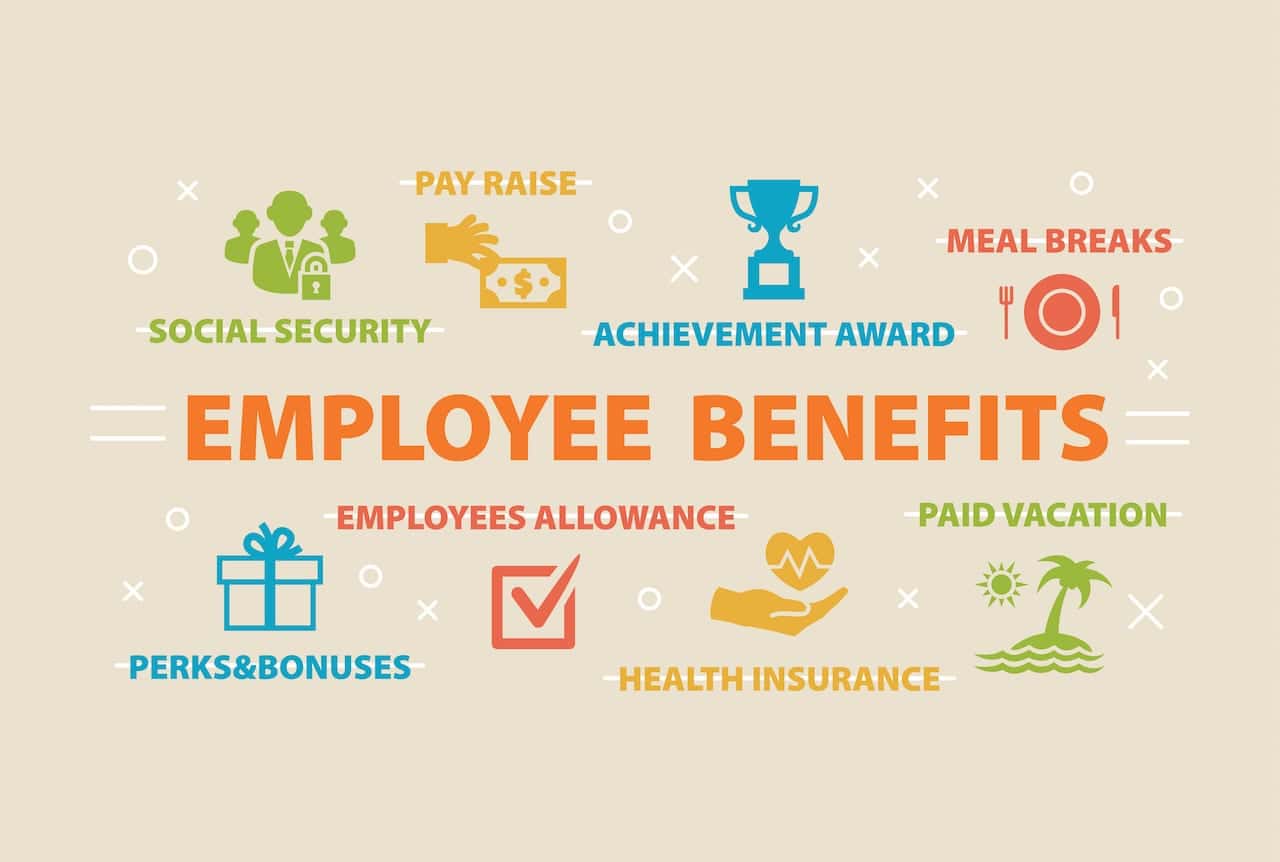
This isn’t the first time we’ve seen such measures. Initially, it was the less visible perks that got the chop. However, the current situation indicates that even the most cherished benefits, like PTO and pensions, are no longer sacrosanct. At least two major companies have already made moves to shrink these benefits, setting a precedent that other businesses might follow.
Impact on Employees and Companies
The repercussions of such cuts can be far-reaching. Employees who once enjoyed generous PTO policies might find themselves with less time to recharge or attend to family matters. This can lead to increased burnout and decreased job satisfaction, ultimately affecting productivity and employee retention. On the other hand, companies might view these cuts as necessary adjustments to navigate economic uncertainties or to realign their priorities.
- Reduced job satisfaction due to decreased benefits
- Potential increase in employee turnover
- Impact on work-life balance and mental health
As the job market continues to evolve, it will be crucial for both employers and employees to find a balance between benefits and business sustainability. While companies need to remain competitive and profitable, they must also consider the well-being and satisfaction of their workforce. In this delicate dance, communication and flexibility will be key to ensuring that the needs of both parties are met, even in the face of economic challenges.