
Introduction to Pro-Carcinogenic Bacteria
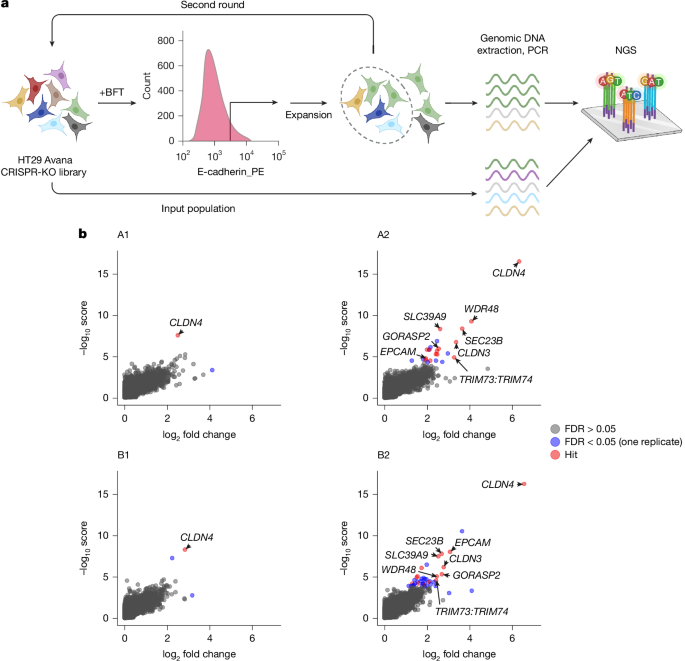
Recent studies have shed light on the intricate relationship between certain bacterial toxins and their impact on human cell lines. Specifically, researchers have identified a pro-carcinogenic bacterial toxin that binds to claudin-4, leading to the cleavage of E-cadherin. This groundbreaking discovery has significant implications for our understanding of the mechanisms underlying various diseases.

Cell Lines and Experimental Setup
To investigate this phenomenon, scientists utilized several cell lines, including HT29, T84, and 293T cells. These cell lines were originally obtained from the American Type Culture Collection (ATCC) and were grown at 37°C. Additionally, HT29-Cas9 cells were generated using previously established methods. The experimental setup involved cultivating these cell lines under controlled conditions to examine the effects of the pro-carcinogenic bacterial toxin.
Key Findings and Implications
The research revealed that the pro-carcinogenic bacterial toxin binds specifically to claudin-4, a protein that plays a crucial role in maintaining cell-cell adhesion. This binding event triggers the cleavage of E-cadherin, another essential protein involved in cell adhesion. The disruption of these cellular processes can lead to various pathological conditions, including cancer. The study’s findings have far-reaching implications for the development of novel therapeutic strategies targeting the interactions between bacterial toxins and human cell lines.
Future Directions and Potential Applications
The discovery of the pro-carcinogenic bacterial toxin’s mechanism of action opens up new avenues for research and potential applications. Further studies can focus on elucidating the molecular details of the toxin-claudin-4 interaction and exploring the therapeutic potential of targeting this interaction. Moreover, the findings of this study can inform the development of innovative treatments for diseases related to the disruption of cell-cell adhesion.