Tesla’s Q1 Earnings: A Mixed Bag
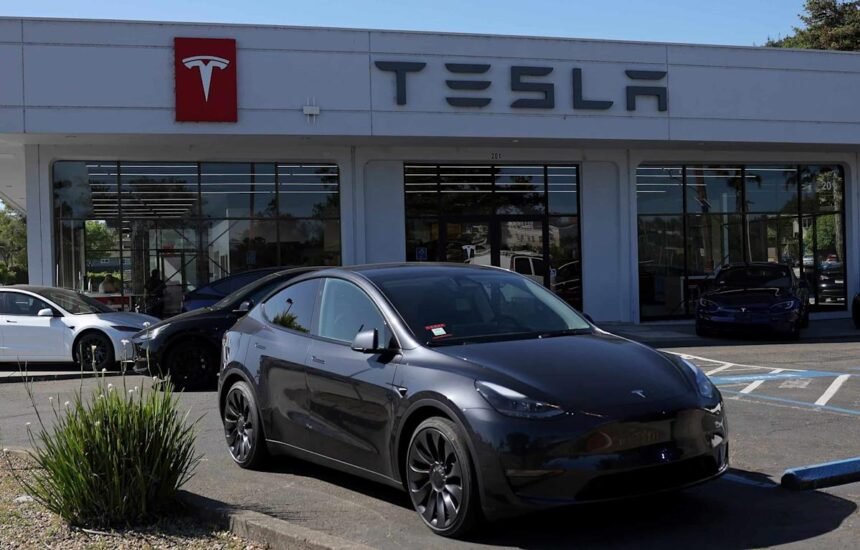
Tesla, the pioneering electric vehicle (EV) manufacturer, has reported its Q1 earnings, revealing a complex mix of positive and negative trends. The company’s revenue reached $22.39 billion, representing a 16% year-over-year increase, while its non-GAAP EPS of $0.41 surpassed the consensus estimate of $0.36.
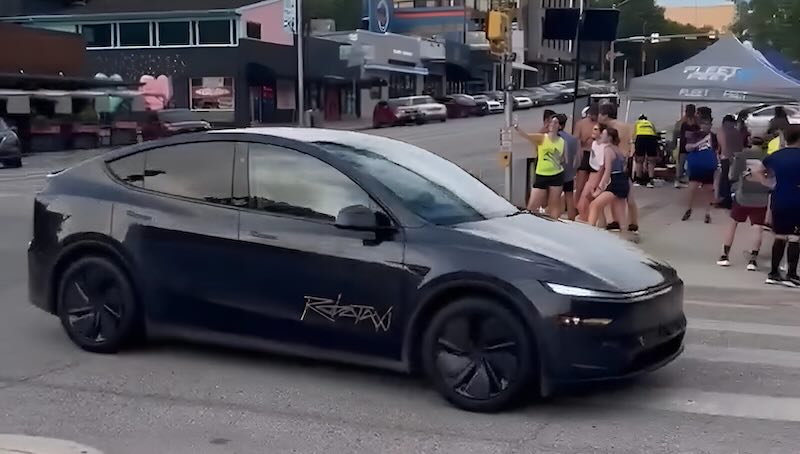
However, the news was not all positive. Tesla raised its capital spending guidance to $25 billion from $20 billion, triggering concerns about the company’s ability to maintain profitability. This significant increase in spending is primarily attributed to Tesla’s ambitious Robotaxi project, which aims to revolutionize the transportation industry with autonomous vehicles.
The Robotaxi Story: Is it Worth the Spend?
The Robotaxi project is a crucial component of Tesla’s strategy to expand its offerings beyond EV manufacturing. By developing a fleet of autonomous taxis, Tesla hopes to tap into the lucrative ride-hailing market, currently dominated by companies like Uber and Lyft. While the project’s potential is undeniable, the hefty price tag has raised eyebrows among investors and analysts.
- Increased research and development expenses
- Higher production costs for autonomous vehicle technology
- Potential regulatory hurdles and liability concerns
Despite these challenges, Tesla’s CEO, Elon Musk, remains confident in the project’s viability. Musk has consistently emphasized the importance of autonomous technology in transforming the transportation sector and creating new revenue streams for the company.
Barclays’ Stance: A Vote of Confidence
Barclays, a prominent investment bank, has chosen to maintain its positive stance on Tesla, despite the capex shock. The bank’s analysts believe that the Robotaxi project’s long-term potential outweighs the short-term costs, and that Tesla’s brand loyalty and innovative spirit will ultimately drive success.