

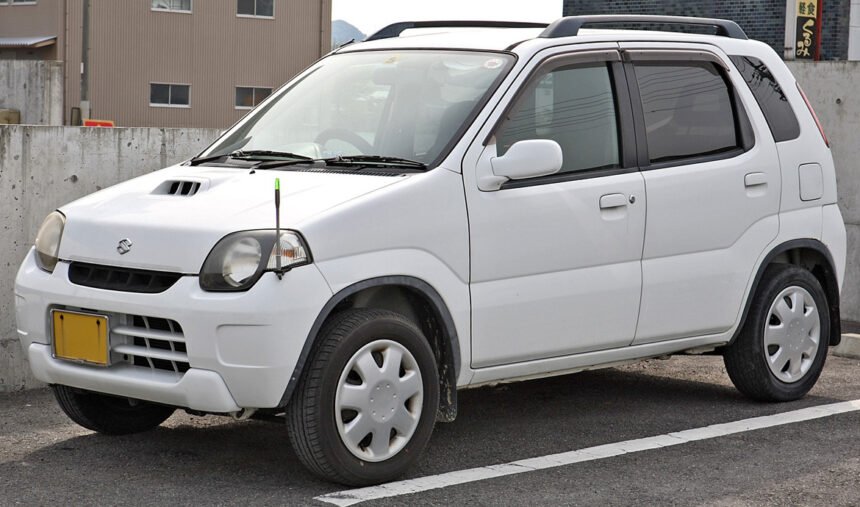
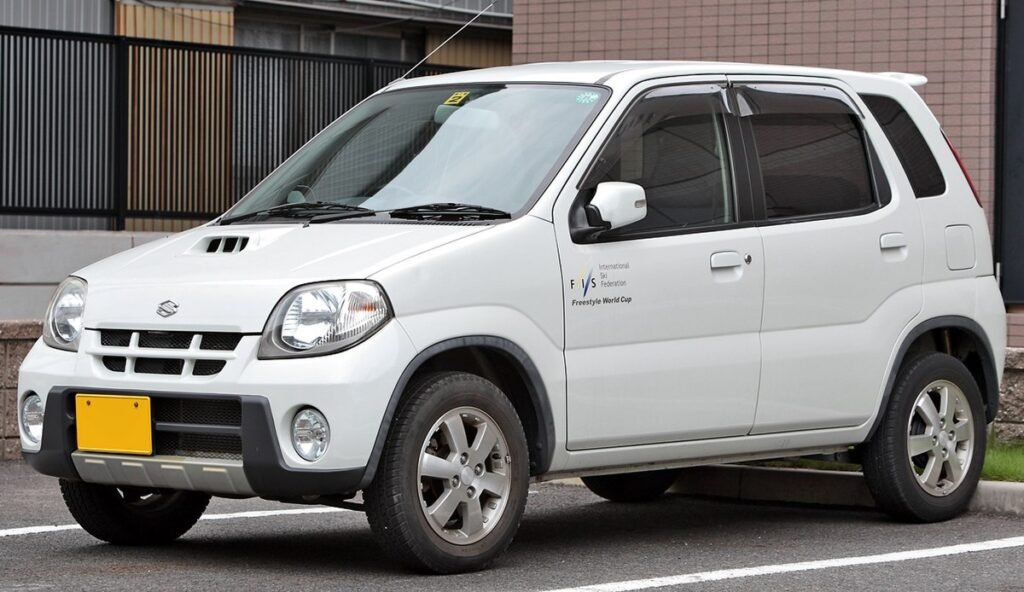
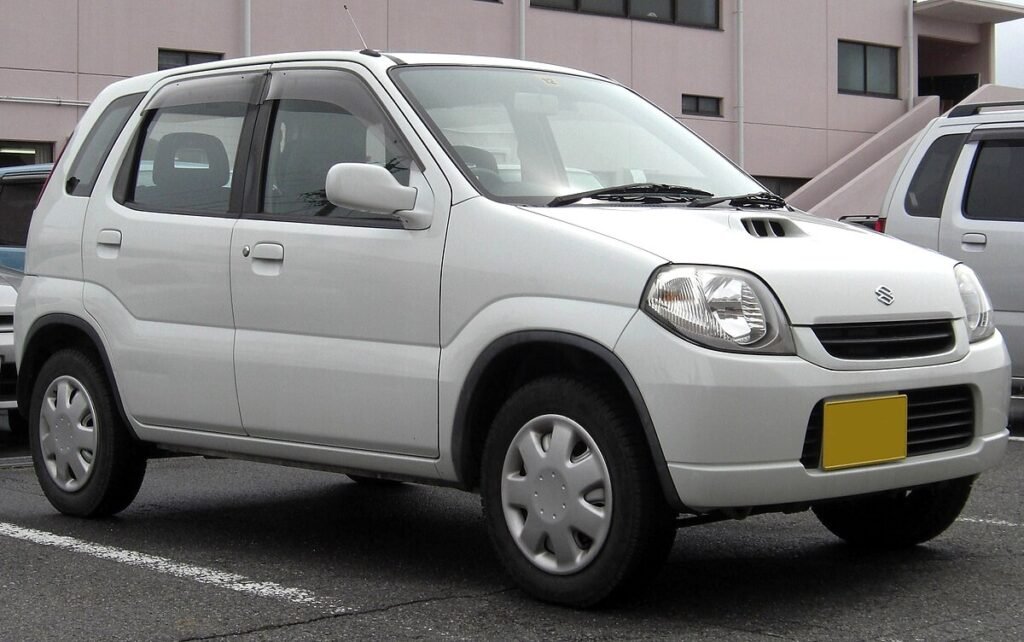
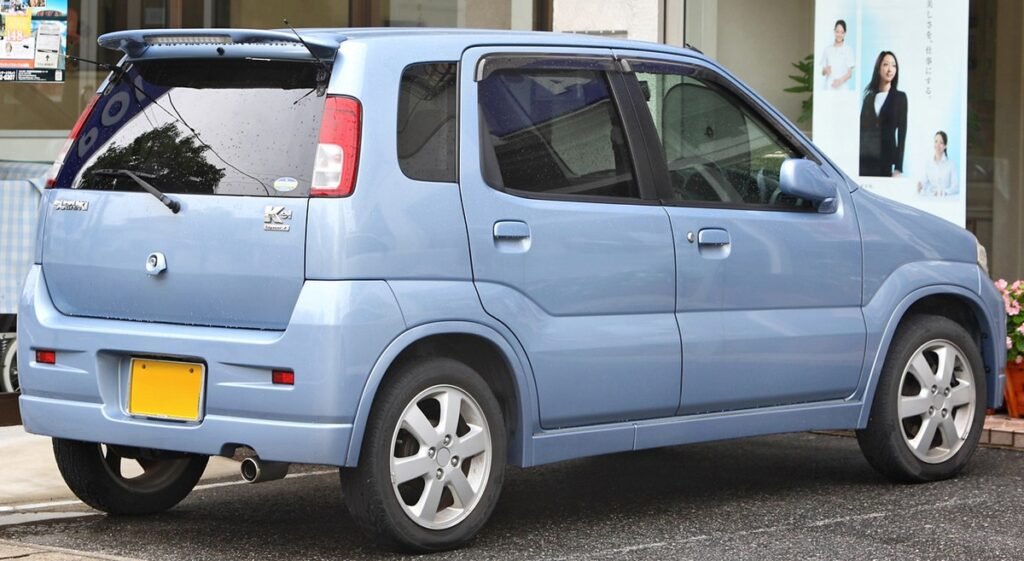
The Suzuki Kei was a compact kei-class hatchback produced by Suzuki between 1998 and 2009. Built to Japan’s strict kei dimensions and engine limits, the Kei carved out a niche as a practical, economical, and oddly charming urban car — and it remains a popular choice in Japan’s used-car exports. While Suzuki has not revived the Kei nameplate as a modern production model, developments in the kei segment and Suzuki’s 2025 technology strategy mean the spirit of the Kei could live on in new electric and hybrid city cars.
A brief history and what made the Kei notable
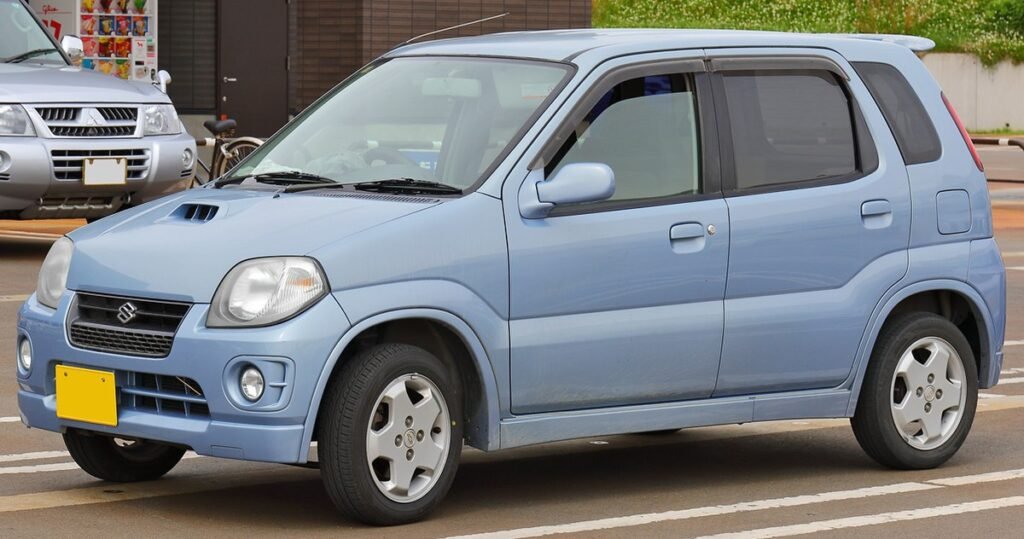
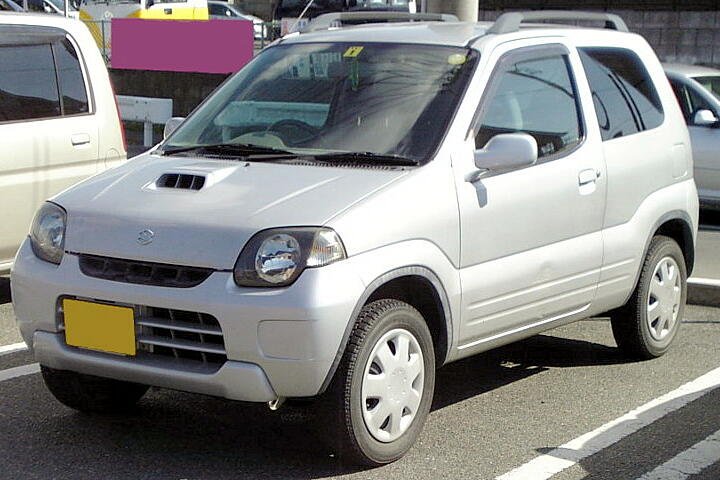
Introduced in 1998, the Suzuki Kei (also sold as the Mazda Laputa in rebadged form) was offered as a compact 3- and 5-door hatchback with a choice of small displacement 3-cylinder engines (around 660 cc, naturally required by kei regulations). The model was practical, had high-roof variants for cargo and passenger space, and received several facelifts through its production life before being discontinued in 2009. Today, the Kei remains sought after in the used market for its low running costs and ease of maneuverability in tight urban environments.

Latest news: no direct revival — but major shifts in the kei segment
If you’re searching for a modern Suzuki Kei relaunch, the short answer is: there’s no official Suzuki Kei reissue yet. Instead, recent industry coverage and Suzuki’s corporate announcements show the company is doubling down on small, efficient vehicles — particularly with electrification in mind — and presenting new kei-sized concept cars and EV strategies at major shows. That means the values that made the original Kei — compact dimensions, efficient use of space, and urban focus — are being carried forward into new concepts and planned production models.
Suzuki’s corporate Technology Strategy and product briefings for 2025 emphasize environmental targets, electrification and small-car innovation — an important context for fans of the original Kei who hope to see a modern, electric successor in future lineups.

Suzuki’s kei/EV concepts and the Vision e-Sky
At the 2025 mobility shows and in 2025 reporting, Suzuki promoted kei-sized EV concept ideas (for example, the Vision e-Sky and other compact concepts). These vehicles are presented as city-friendly EVs with compact footprints, modern interiors, and a clear nod to kei car practicality — effectively the spiritual successor to models like the Kei for a zero-emission era. While concepts don’t always become direct production models, they indicate Suzuki’s roadmap for urban EVs and show the brand adapting Kei DNA to modern EV packaging.
More Read

Competitive pressure: new entrants are changing the equation
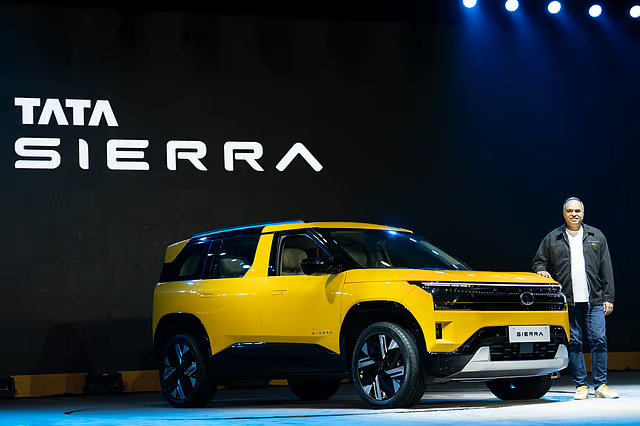
A major recent development in the kei market is the entrance of aggressive Chinese EV makers. BYD, for instance, announced plans to target the Japanese kei segment with small, competitively priced electric models — a move industry observers called a potential disruption to the market long dominated by domestic brands. Suzuki executives have publicly acknowledged the heightened competition, underlining that the kei segment is now a critical battleground for affordability, autonomy, and electrification. For legacy kei models’ enthusiasts, this competition could accelerate production of modern kei EVs — but it also raises the stakes for Japanese manufacturers.
What this means for the Suzuki Kei name and used-car buyers
- For fans of the original Kei: the exact model remains a classic used-car purchase — compact, economical, and still available on export markets. The historical Kei will continue to be bought and driven by enthusiasts and practical owners.
- For those hoping for a modern Kei revival: expect Suzuki to prioritize kei-sized EVs under new nameplates or as part of its EV lineup rather than necessarily reviving “Kei” as a badge. Suzuki’s 2025 strategy signals more likely outcomes are all-new compact EVs that channel the Kei’s strengths into modern packaging.

The market context: why kei cars still matter in 2025
Kei cars remain important in Japan because of the unique combination of tax, insurance, and parking incentives that favor ultra-compact vehicles. For urban commuters, social drivers and an aging population that favors easy-to-enter and park cars, kei cars remain practical. The shift now is about how these kei values translate to electrified drivetrains and connected vehicle tech. Suzuki’s roadmap and changing competitor landscape show this transformation is now accelerating.
Buying a Suzuki Kei today — practical tips
If you’re considering buying a Suzuki Kei on the used market:
- Check rust and structural condition — these older models are compact and often used as city runabouts.
- Confirm engine version — turbo variants exist and have different service histories.
- Parts & servicing — many markets still support Suzuki parts; however, confirm local support for older kei engines.

Looking ahead: a possible future for Kei badge lovers
While the Suzuki Kei badge itself remains retired, the ideological successor is clear: compact, efficient, and practical kei-sized EVs. Suzuki’s public 2025 strategy and concept showcases point to a future of small, affordable EVs that preserve the convenience and charm of the original Kei, while meeting emissions targets and modern consumer expectations. Keep an eye on Suzuki’s launches and Tokyo/Japan mobility shows — those are where the next generation of kei vehicles are likely to appear.
Conclusion — the Kei legacy continues in new form
The Suzuki Kei’s legacy as a practical, space-smart kei car endures in the used market and in public memory. But the real headline in 2025 is transformation: Suzuki and its rivals are repositioning kei car philosophy for an electrified future. Whether that arrives under the old “Kei” name or as a fresh EV badge, fans of small, clever cars can expect the core appeal to remain — but upgraded for the 21st century.

Suggested authoritative sources to cite on your page
- Suzuki Global news / Technology Strategy 2025 (official Suzuki release).
- Wikipedia entry for Suzuki Kei (historical specs & production dates).
- Reuters coverage of BYD’s strategy and its possible impact on the kei market.
- Welt / German coverage of Suzuki Vision e-Sky and kei EV concepts (Tokyo Mobility Show reporting).
- Automobile-catalog / Goo-net or Japanese parts catalogs for detailed model specs and used-car listings.