
Introduction to ALS Research and the C9orf72 Gene
Amyotrophic lateral sclerosis (ALS) is a complex and devastating neurodegenerative disorder that affects nerve cells in the brain and spinal cord. Recent studies have highlighted the significance of the C9orf72 gene in ALS, with expansions in this gene being the most common cause of the disease. To better understand the role of C9orf72 in ALS and to explore potential therapeutic interventions, researchers have been working on developing accurate models that mimic the human condition.

Zebrafish as a Model Organism
Zebrafish (Danio rerio) have emerged as a popular model organism in biomedical research due to their genetic similarity to humans, rapid breeding cycle, and the ease with which they can be genetically manipulated. Zebrafish have a single conserved ortholog of the C9orf72 gene, making them an ideal candidate for studying the function of this gene and its implications in ALS.
Generation of the C9orf72 Zebrafish Knockout Model
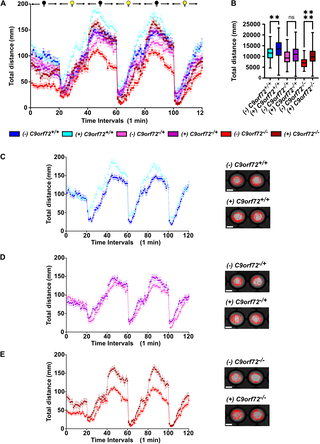
Utilizing the powerful CRISPR/Cas9 genome editing tool, scientists have successfully generated a C9orf72 knockout zebrafish model. This model is crucial for understanding the loss-of-function effects of the C9orf72 gene, which can provide valuable insights into the pathogenesis of ALS. By knocking out the C9orf72 gene in zebrafish, researchers can study the developmental and behavioral changes that occur as a result, potentially identifying key pathways affected by the gene’s absence.
Cross-Species Validation and Therapeutic Screening
In addition to the zebrafish model, another important aspect of this research involves cross-species validation of potential therapeutics. Caenorhabditis elegans (C. elegans), a nematode worm, is often used for initial drug screening due to its simple nervous system and well-characterized genetics. Compounds that show promise in C. elegans can then be further tested in the more complex zebrafish model, and eventually in higher animal models or clinical trials. This multi-species approach enhances the efficiency and reliability of therapeutic development for ALS.
Conclusion and Future Directions
The establishment of a C9orf72 knockout zebrafish model represents a significant advancement in ALS research. This model, combined with cross-species validation strategies, holds great potential for identifying and testing novel therapeutic interventions. As research progresses, the hope is to translate these findings into clinical applications, ultimately leading to the development of effective treatments for ALS patients.