
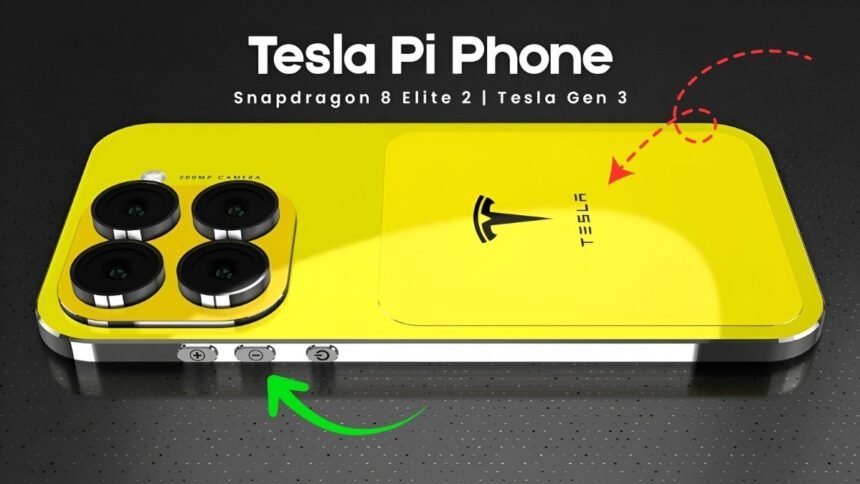
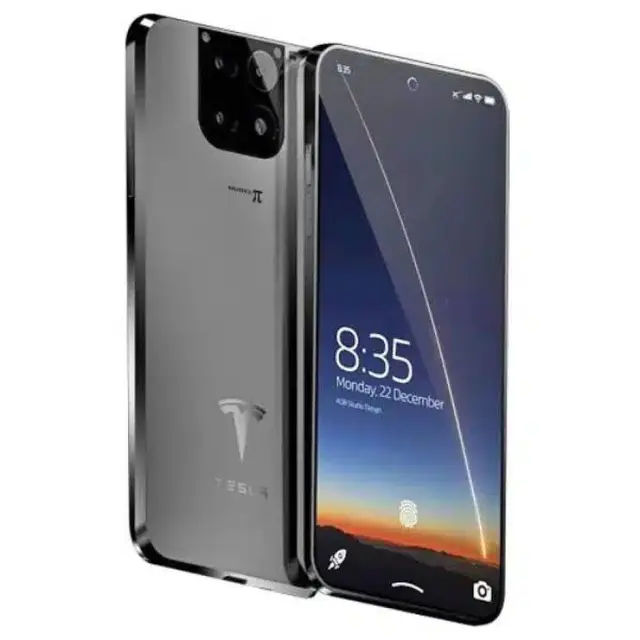
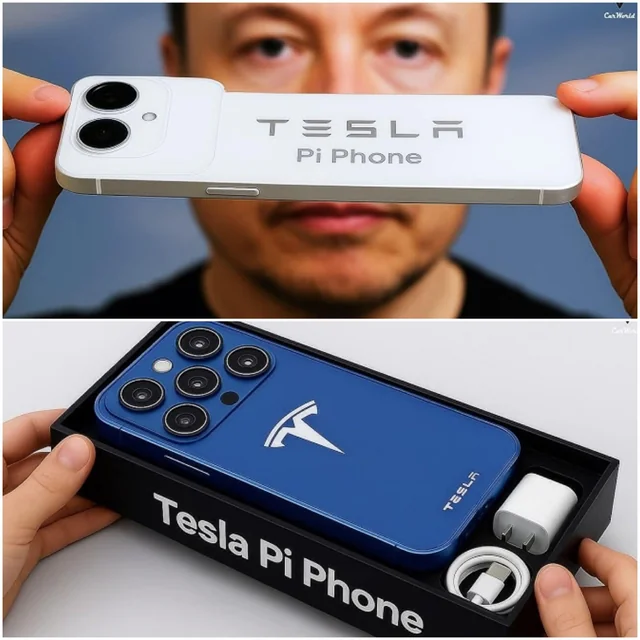
Rumors about a “Tesla phone” — often labelled the Tesla Pi phone — resurface frequently online. From viral mockups and speculative spec lists to social posts claiming a release date, the story combines fascination with Elon Musk’s many ventures (Tesla, Starlink, Neuralink) and the evergreen wish that Tesla might reimagine the smartphone. But as of late 2025 the situation is simple: there is no official Tesla phone and Elon Musk has publicly said Tesla isn’t making a phone unless forced to. The rest is a mix of rumor, wishful thinking, and clickbait.
Below, we’ll sort confirmed facts from persistent rumors, explain why people expect certain features (and how realistic they are), and give guidance on what to believe — and what to ignore.

What we know (confirmed / high confidence)
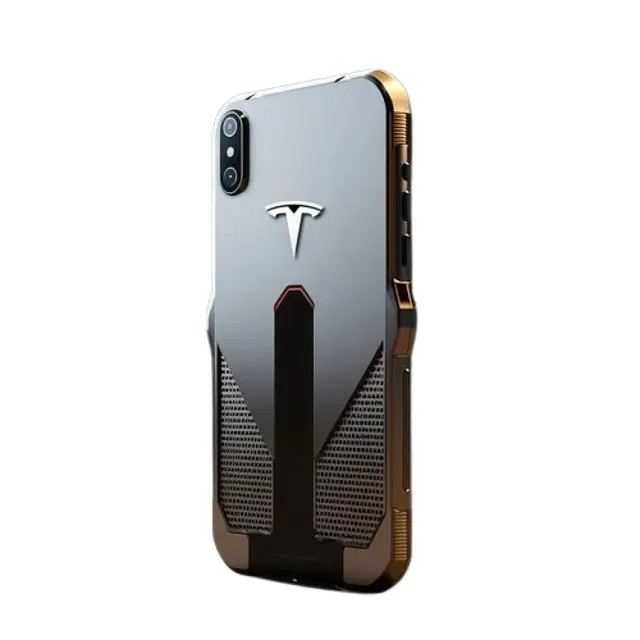
- No official Tesla phone announcement. Multiple fact-checks and mainstream outlets confirm Tesla has not launched or announced a consumer smartphone product called the “Pi phone” as of late 2025. Social posts claiming an official release have repeatedly been debunked.
- Elon Musk’s public stance: Musk has publicly said Tesla is not planning to build a phone unless circumstances force the company to (for example, if Apple or Google blocked Tesla’s apps or otherwise made existing platforms unusable for Tesla). This line has been repeated in interviews and town-hall Q&As. That means any speculative “Tesla phone” remains a rumor unless Tesla officially changes course.
- A lot of rumor/third-party content exists. Numerous fan sites, blogs and unverified leaks publish speculative specs (Starlink connectivity, Neuralink compatibility, solar charging, custom Tesla chipsets). These are not official and should be treated as rumor until Tesla or Musk confirm them. Sites summarizing such rumors include gadget blogs and rumor aggregators.
What people rumor — and how plausible each claim is
Starlink (satellite internet) built in
Why people believe it: Tesla (via SpaceX) controls Starlink, and integrating satellite connectivity into a phone would solve coverage gaps.
Plausibility: Technically possible — but expensive, complicated (antenna size, regulatory approvals) and would likely require SpaceX to prioritize a phone form-factor. Many rumor pages include this, but there’s no official confirmation. Expect if this ever happens it will be expensive and roll out in limited regions first.
Neuralink compatibility
Why people believe it: Elon Musk owns Neuralink; fans assume cross-product integration.
Plausibility: Very low in the near term. Neuralink is an invasive brain-computer interface requiring surgery and regulatory approvals; Apple/Google-style companion apps would be simpler. Neuralink + phone is a futuristic headline but not an immediate product strategy. Any such claim is pure speculation.
Solar charging / EV-style battery tech
Why people believe it: Tesla’s energy portfolio includes solar panels and Powerwall; integrating solar into a phone concept is a natural rumor.
Plausibility: Parts of it are realistic (improved charging, energy savings), but “solar charging phone” as a primary power source is unlikely to be practical enough for mainstream use. Expect small, auxiliary solar features rather than full independence. Rumor sites push this heavily without proof.
More Read
Custom Tesla chipset (Tesla Gen3) and deep Tesla ecosystem integration
Why people believe it: Tesla has silicon experience for cars (FSD chips) and could hypothetically produce an SoC for mobile.
Plausibility: Possible, but costly. Tesla would face fierce competition from established mobile SoC vendors (Qualcomm, Apple). More realistic is close software integration with Tesla cars and services (apps controlling vehicle functions) rather than unique silicon.
Why these rumors spread (and how to spot fakes)
- Fan excitement & wishful thinking. People want a Tesla phone; fans amplify concept art and wishlists as “leaks.”
- SEO-driven content mills. Many websites publish clickbait articles using speculative keywords (price, specs, release date) to capture search traffic.
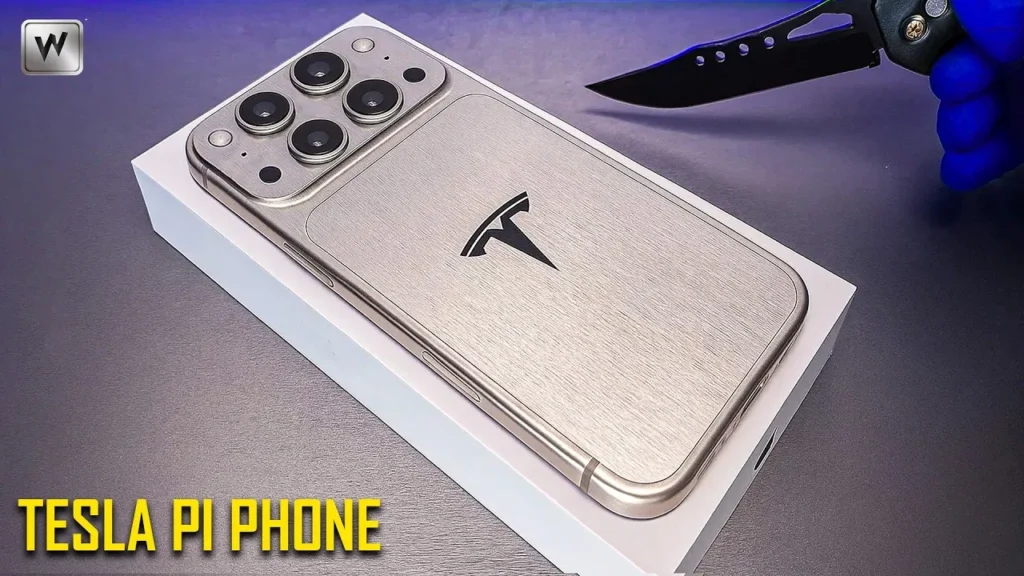
- Deepfakes & mockups. High-quality renders and fabricated spec sheets can look real to casual readers. Always check for original posts and official Tesla channels.
- Mixed messages from Musk. Musk’s cryptic tweets and sometimes flippant answers in town halls create openings for misinterpretation.
How to spot fakes: verify on Tesla’s official newsroom, SpaceX/Starlink announcements, Elon Musk’s verified accounts, and major fact-check outlets (AFP, AP, Reuters). If only small rumor sites report it — be skeptical.
Responsible reporting: what to publish (if you run a site)
- Label rumor content clearly. Use phrases like “reported rumor” or “unverified leak.”
- Prioritize official sources for factual claims — Tesla press releases, Musk quotes in reliable outlets, or regulatory filings.
- Link to fact-checks when viral claims circulate. AFP’s and local fact-checks are excellent references.
What a real Tesla phone would mean (if it ever launched)
- Hardware + software control: Tesla could tightly integrate vehicle control, energy monitoring, and home energy systems — giving a single hub for Tesla owners.
- Privacy & data questions: Tesla already collects vehicle and energy data; a phone would raise more complex privacy and regulatory scrutiny.
- Ecosystem battles: A Tesla phone would enter a market dominated by Apple and Google; success would require a compelling ecosystem (apps, developer support, carrier partnerships).
- Regulatory hurdles: Satellite or Neuralink features introduce global regulatory complexity — spectrum allocations, medical device approvals, and regional certifications.
All of the above increase the bar for any hypothetical Pi phone. It’s more likely Tesla would expand app functionality and integrations rather than build a phone from scratch — unless a strategic need forced them to (Musk’s stated condition).
More Read

Bottom line — what readers should believe right now
- Confirmed: Tesla has not announced a phone; official statements indicate Tesla isn’t planning to make one unless pushed into it. Treat all product specs and launch dates as speculative unless published by Tesla.
- Likely: More Tesla-app features and tighter Tesla car/mobile integration are plausible near-term moves.
- Unlikely (near-term): Neuralink phone features or widespread built-in Starlink in a consumer phone without official confirmation.