


Apple’s iphone 17 series landed in September 2025 and immediately became the focal point of tech headlines — from major hardware changes and a new A19 family of chips to a surprising front-camera upgrade that’s already reshaping how people shoot selfies and video. Below we unpack the official specs, launch timeline, prices, early reviews, market reaction, and what each model brings to the table.
Bold quick summary
- Apple announced the iPhone 17 lineup on September 9, 2025; retail availability followed in mid-September.
- All iPhone 17 models now feature 48MP rear cameras and an 18MP Center Stage front camera in some models, plus the new A19 / A19 Pro silicon.
- Apple emphasizes durability (Ceramic Shield 2), improved battery life, and a thermally optimized unibody on Pro models. Early in-store demand and queues were reported in major cities.
Why this matters
The smartphone market in 2025 is increasingly defined by AI features, camera innovation, and battery endurance. Apple’s iphone 17 series arrives when rivals are pushing AI and value aggressively. For Apple, this release is both a product upgrade and a strategy play — tightening the lead on imaging and performance while defending premium users in regions where competition has intensified.

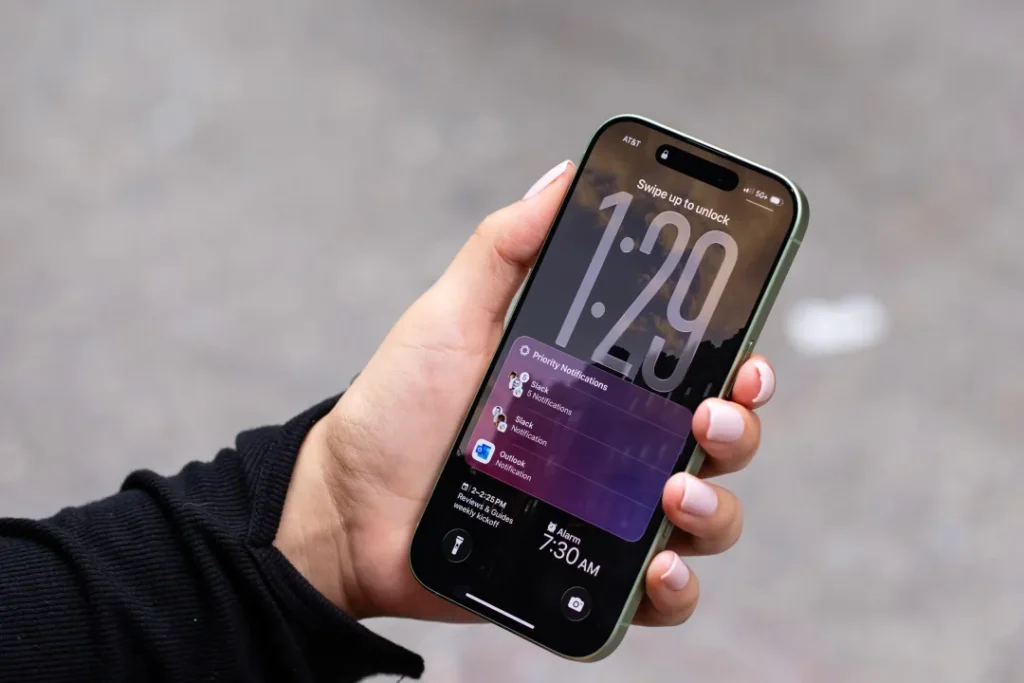
What Apple officially announced
More Read

- Launch date: Announced September 9, 2025; retail rollout in mid-September.
- Models: iPhone 17 (base), iPhone 17 Air, iPhone 17 Pro, iPhone 17 Pro Max.
- Chips: A19 in the base models; A19 Pro powering Pro models with vapor-chamber/vapor cooled thermal design on Pro units.
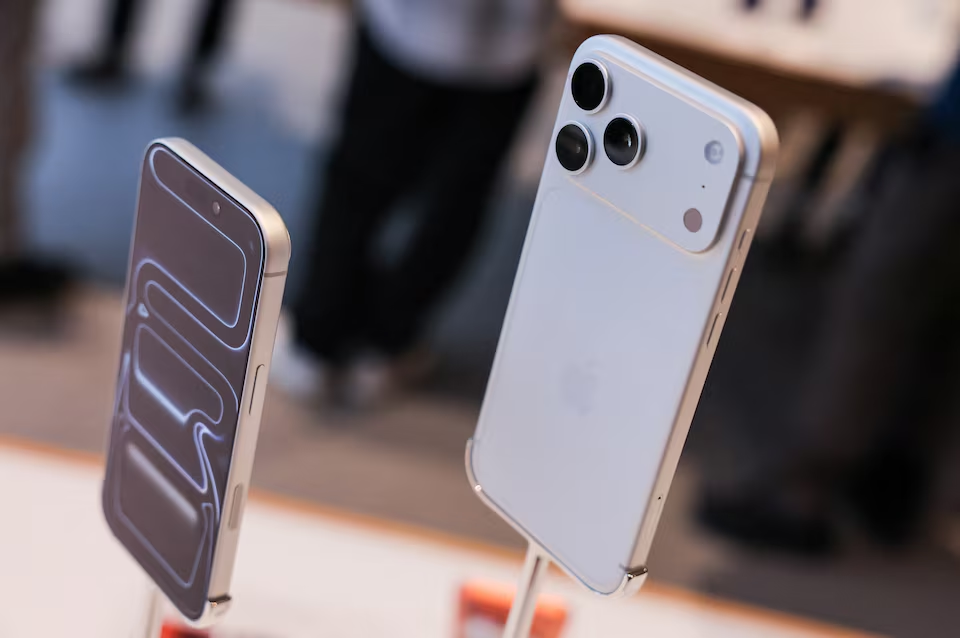
- Cameras: All 48MP Fusion rear cameras across the lineup; Pro models feature an advanced triple 48MP setup and an 8x optical-quality zoom in software/hardware combo. The front-facing camera is now an 18MP Center Stage sensor on Pro models.
- Display & build: Super Retina XDR displays with ProMotion (up to 120Hz) and Ceramic Shield 2 with improved scratch resistance. Pro models use a heat-forged aluminum unibody.
Deep dive: Design & durability
Apple tweaked proportions across the lineup: slightly thinner borders, contoured edges, and the new Ceramic Shield 2 front glass that Apple claims delivers stronger scratch resistance. Pro models add a heat-forged aluminum unibody and a vapor cooling approach to keep the A19 Pro running fast without throttling. These changes are less about a radical redesign and more about tightening reliability and longevity — a clear signal Apple is prioritizing lifespan and performance per watt.
Deep dive: Cameras

The imaging changes are the most consumer-visible updates:
- Rear: 48MP Fusion sensors on every model deliver higher resolution and improved low-light performance; Pro units keep three 48MP Fusion cameras with sensor-shift stabilization and the longest optical-quality zoom Apple has offered (8x equivalent via telephoto improvements).
- Front: The 18MP Center Stage front camera (especially on Pro models) is a standout — it allows horizontal framing, Center Stage tracking for wider group selfies, and higher resolution for vloggers and video callers. Early reviews point to this being a genuinely useful update, not just a spec bump.
Why it’s impactful: Apple didn’t just increase megapixels; it redesigned the selfie experience (wider framing, Center Stage intelligence) which benefits creators and casual users alike.
Performance & battery
The A19 and A19 Pro chips bring incremental CPU/GPU gains with stronger neural engine capabilities for on-device AI tasks. Pro models’ vapor cooling allows Apple to sustain higher performance for longer — meaning smoother gaming and advanced computational photography without rapid throttling. Apple’s materials and software optimizations also claim multi-hour battery improvements in video playback tests. Real-world benchmarks from reviewers show noticeable gains but not a generational leap.

Pricing & availability snapshot
At launch, Apple positioned the iPhone 17 as the more affordable flagship, with the iPhone Air and Pro tiers above it. Reported starting prices (subject to regional taxes/carrier pricing) put the base iPhone 17 around $799, iPhone Air higher, and Pro models starting above $1,099. Availability followed the typical Apple cadence: announcement in early September, preorders shortly after, retail availability in late September. Check Apple’s local storefront for exact country pricing and carrier deals.
More Read

Market reaction & early reviews
Opening-week queues and brisk foot traffic at Apple Stores indicated strong consumer interest, especially for the Pro Max. Analysts see the lineup as a potential end-of-year boost to Apple’s shipments in key markets like China, where competition has been heating up. Early reviews have praised the selfie camera improvements and battery life; some critics note the updates feel iterative rather than revolutionary for users of the iPhone 16 series.
Who should upgrade?
- Upgrade if you: want the best available iPhone camera system, value battery and sustained performance for gaming/AI tasks, or are on older iPhones (iPhone 13/14 era).
- Skip or wait if you: already own an iPhone 16 Pro and don’t care about the new front camera or slight battery/perf gains.
This is Apple’s classic “meaningful for some, modest for many” release.
Authoritative sources to follow
- Apple — iPhone 17 official product pages and newsroom.
- Reuters — launch coverage and market reaction.
- MacRumors — ongoing roundup, buying advice, and comparisons.
- The Verge — software and ecosystem coverage (notably iOS updates that tie into the new phones’ features).
- Trusted regional tech outlets and long-form reviews (e.g., Lowyat review for hands-on observations).